How COVID-19 has affected the Rental Market?
09/21/2021

One of the best ways to make a steady income is to rent out your house. But in Texas, it requires thorough planning, compliance with the law, and open communication with prospective tenants. Texas is known for being a landlord-friendly state, but that doesn't mean you can disregard important processes or legal requirements. This handbook will cover every step of the Texas house leasing process.
You must first be ready, informed about the law, and aware of your responsibilities as a landlord in order to successfully rent out your home. This should be viewed as a business decision and not just a short-term means of generating revenue & earning profits. Every action should be carried out carefully and thoughtfully.
It is true that thorough tenant screening, open communication, and keeping correct records alleviate risk and get rid of needless conflict. Profitability and tenant satisfaction are increased by well-maintained properties and reasonable rent. Because renting is done in a structured and legal way, it is more profitable, predictable, and safe.


To attract tenants, your home needs to be secure, hygienic, and in good operating order.
Walk through every room and check structural items like
According to Texas law, landlords must make the required repairs if a tenant reports a condition that seriously jeopardises their health or safety.
Curb Appeal
Renting more quickly and affordably can be facilitated by a neat façade with new paint and well-trimmed landscaping, which can also boost tenant interest.

Setting a competitive rent is crucial to avoid long vacancies.
Look at comparable rentals in your neighborhood (size, age, amenities) to set a realistic price.
To keep your revenue profitable, factor in upkeep, insurance, property taxes, and vacancy allowances when figuring out rent.
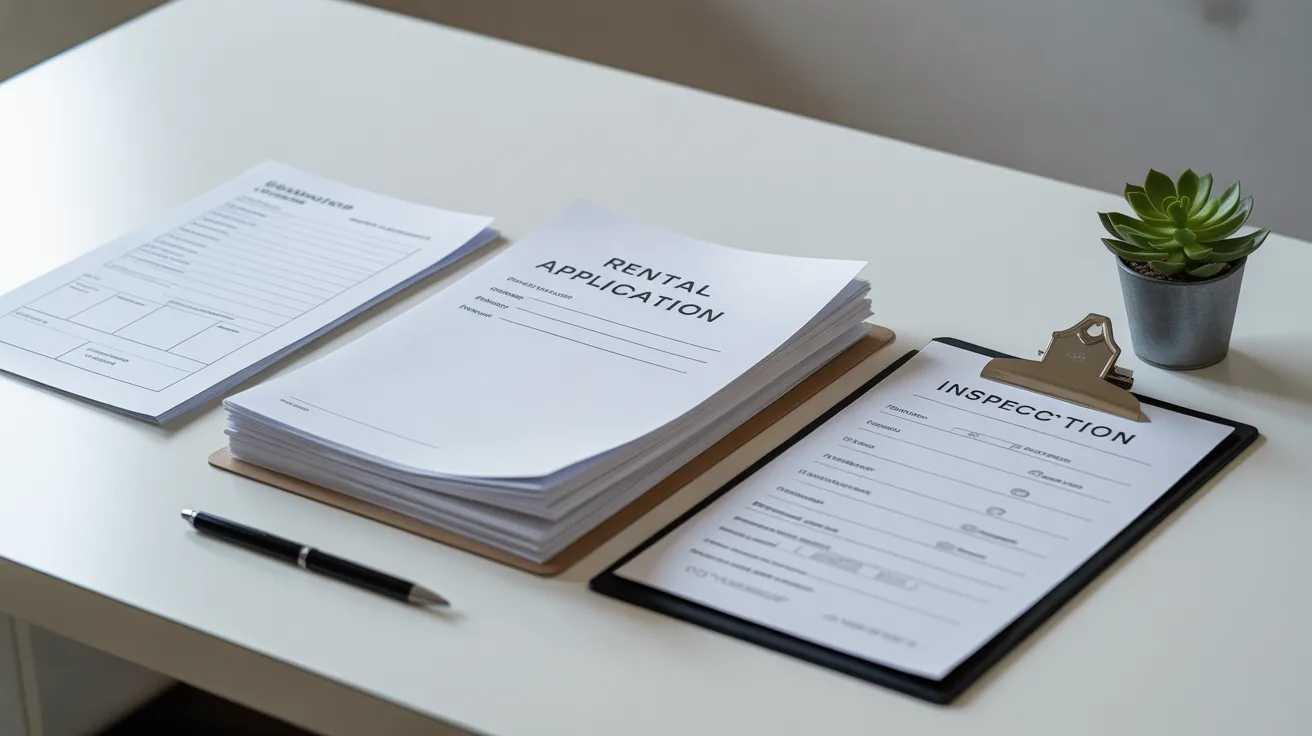
Proper documentation protects both you and your tenants.
You must create an application that incorporates personal information, rental history, proof of employment, and other crucial things. For equal treatment of everyone, the tenant screening laws require you to submit your screening criteria in writing.
Draft a thorough lease that includes:
If the facility was built prior to 1978, provide the renter with any supporting paperwork and any required disclosures, such as lead-based paint.
Checklist for Inspections
Make a written checklist and take pictures of the house's condition before you move in. It shields you from future unjust disputes about the security deposit.
Your house won’t rent itself—you need a plan to reach potential renters.
There are various sites and local Facebook groups to advertise your property with good photos and clear details.
Plan private tours or open houses. Prepare flyers outlining the features and conditions of the lease.
You will find quality tenants more quickly if your marketing is more effective.

Finding dependable and trustworthy tenants is one of the most important aspects of renting a home in Texas.
Before accepting applications, set criteria like
Ensure that every tenant goes through the same criteria to avoid discrimination.
Use a reputable screening service to check:
A robust screening process will ensure that you are getting timely rent payments and encountering fewer property disputes.
Once you’ve chosen a tenant:
The lease is signed by both parties. Tenants should receive copies within three business days.
Before the keys are given out, collect the security deposit and the first month's rent.
You have to give tenants a receipt if they pay with cash. Although receipts protect both parties, Texas law does not define how rent must be paid.
Good property management leads to long-term tenants and fewer issues.
Requests for repairs that affect people's health or safety should be responded to promptly. Keep records of all communications and services.
Before visiting the property for non-emergency purposes, give a fair amount of notice (usually 24 hours). While there is no set notice period in Texas, giving notice protects the tenant's privacy and helps to prevent conflicts.
Clearly outline the rental process; internet platforms are growing in popularity and make tracking easier.

You could encounter difficulties even if you are well-prepared.
If specified in the lease, Texas permits reasonable late fines.
Return security deposits and an itemised list of any deductions you may have made within 30 days of moving out.
Instead of self-evicting, adhere to the proper legal processes. The justice court may be utilised to enforce eviction if tenants disregard the written notice.
Being a successful landlord means continually learning and improving.
Whether you're renting for the first time or expanding your rental business, renting a home in Texas requires preparation, compliance, and proactive management. By understanding landlord-tenant laws, drafting strong contracts, carefully vetting renters, and keeping your property, you may rent your property with confidence and build a profitable rental business in the Lone Star State. When done properly, renting out a house in Texas becomes more than just a to-do list—it becomes a long-term success strategy.