How COVID-19 has affected the Rental Market?
09/21/2021
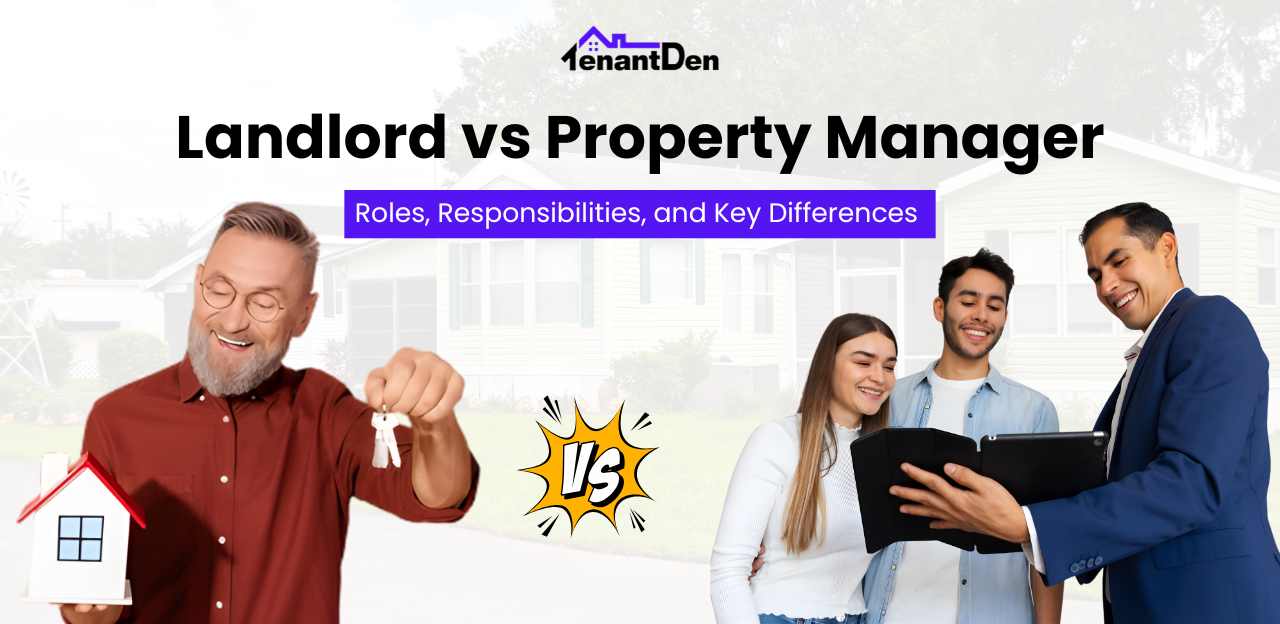
When it comes to renting out property, many people get confused about the landlord vs property manager debate. Are they the same? Do they do similar work? Or are their roles completely different?
If you own a rental property or are planning to invest in real estate, you must understand the differences between the two. As it affects your time, money and overall experience as a property owner. This also helps tenants know who handles what.
In this guide, we'll break down the property manager vs landlord comparison. We will explain their roles, responsibilities and key differences in simple terms. In the end, you'll get to know who does what and what is right for you.
A landlord is someone who legally owns a property, such as a house, apartment, condo or commercial unit. They rent the property to tenants in return for monthly Rent.
A landlord has complete ownership rights. They make all property-related decisions and ensure the property is safe and livable.
The responsibilities of a landlord can differ depending on how they manage the property themselves or employ a professional. However, generally, landlords take care of the following aspects:
1. Buying and Owning the Property
The landlord puts their money into buying the house. They are responsible for mortgage, property and insurance taxes.
If the property's value increases, the landlord benefits from appreciation. If the value decreases, they bear the loss.
2. Setting Rent and Lease Terms
The landlord decides on the amount of rent they will charge. Lease agreements also include policies, rules and payment terms.
For instance, the landlord could decide the following:
These choices shape the whole rental experience.
3. Maintaining the Property
The property owner must ensure that it is secure and habitable. This means:
In some instances, the landlords make these repairs themselves. In other cases, they employ contractors.
4. Handling Tenant Issues
If the landlord is responsible for managing the property, the landlord handles tenant communication. This can include:
This could take a lot of time, particularly when there are several properties.
A property manager is an individual or company hired by a landlord to manage rental properties. They serve as the middle person between the landlord and the tenant.
Property managers receive an amount. It's usually a percentage of the monthly rent, usually between 8% and 12%.
Their main goal is to handle daily operations so the landlord does not have to.
When comparing a landlord vs a property manager, the biggest difference is in daily involvement. A property manager handles operational tasks.
1. Marketing the Property
A property manager advertises properties on online rental sites. They take photographs, write descriptions and advertise the property.
They also arrange property tours and assist prospective tenants.
2. Screening Tenants
One of the most important tasks is tenant screening. A property manager usually:
This reduces the risk of late payments or property damage.
3. Collecting Rent
Property managers collect rent and then follow up on late or missed payments. They could make use of online systems to streamline the process.
If tenants do not pay their rent, the property owner can issue notices and commence eviction proceedings in accordance with local law.
4. Managing Repairs and Maintenance
Property managers supervise maintenance. They communicate with repair specialists and supervise the work.
In the case of an apartment tenant who complains of a leaky pipe, the property manager will arrange for an emergency plumber. They also ensure the issue is resolved promptly.
5. Legal Compliance
Rent laws can be complicated. Property managers stay up to date on local laws. This includes:
This can help landlords avoid legal issues.
Now let’s look at the key differences in the property manager vs landlord comparison.
The landlord owns the property. The property manager does not.
The landlord is the one who makes the final decision. The property manager implements those decisions and manages day-to-day operations.
A landlord who self-manages must invest time regularly. This includes handling calls, repairs and paperwork.
A property manager saves the landlord's time. The landlord can focus on other work or investments.
Hiring a property manager can cost money. As we said earlier, managers usually charge a percentage of the rent per month.
Self-managing landlords can avoid this for free. They must, however, devote their time and energy.
Landlords who manage their properties have full control. They directly interact with tenants and make all decisions.
When hiring a property manager, the landlord gives up some daily control. However, they still keep overall authority.
Not every landlord needs to hire a property manager. However, in certain situations, it is logical to hire one.
Managing one property may be simple. Managing five or ten properties could be difficult.
A property manager can manage maintenance, tenant communication and rent collection more efficiently.
Managing one property may be simple. Managing five or ten properties could be difficult.
A property manager can manage maintenance, tenant communication and rent collection more efficiently.
Many landlords work full-time or work for other companies. They might not have time to attend to tenants' calls or supervise repairs.
In this scenario, the management fee can ease stress and protect your investment.
Understanding the pros and cons helps in the landlord vs property manager decision.
Advantages:
Disadvantages:
Advantages:
Disadvantages:
Imagine Sarah owns two rental homes. At first, she manages them herself. She collects Rent, manages repairs and talks to tenants.
As time passes, her work becomes more challenging. One tenant moves out unexpectedly. Another one needs numerous repairs. Sarah is feeling overwhelmed.
She hires a property manager. The manager quickly finds new tenants and handles all maintenance requests. Sarah has to pay a monthly fee; however, she saves time and reduces stress.
This simple example shows how the property manager vs landlord decision depends on personal circumstances.
If you are deciding between self-managing and hiring help, consider these steps:
If you enjoy hands-on work and want full control, self-managing may be a good option. If you prefer passive income, hiring a property manager could be a better option.
The landlord vs property manager comparison is not about which one is better. It is about which option fits your situation.
A landlord is the property owner. They assume responsibility for the risk of financial loss and make the final decision. A property manager is responsible for the day-to-day operations and acts as an expert representative.
In simple terms:
If you value time, convenience and professional support, hiring a property manager can be a smart move. If you want control and want to save on fees, self-management may be ideal.
Before making a decision, be sure to consider your time, budget and future goals. Making the right choice will ensure you have a profitable and stress-free rental business.
Whether you manage your property on your own or work with a property manager, having a strong visibility can help to find tenants faster. TenantDen allows you to build complete listings, including photographs, specify the terms of your rental, and handle tenant inquiries from one dashboard. You can also list your rental property for free, making it a cost-effective solution for landlords.
By using TenantDen, you increase your property's reach, reduce marketing effort, and connect directly with serious renters. With full control and no upfront listing costs, you can attract quality tenants and fill vacancies more efficiently.