How COVID-19 has affected the Rental Market?
09/21/2021
Thought about renting out your house instead of selling it? Many homeowners ask this question.
When you think about renting out your house, the pros and cons can feel like an ultimate tug-of-war. On the one hand, there is the benefit of a steady cash inflow and increased wealth. On the other hand, potential negative impacts include stress, increased risk, and taking on more responsibilities.
The question is: is renting out your house a smart financial decision or a recipe for disaster? Let’s take a look.
Life is hectic and can change in an instant. You may have had to move for a new job. You may have received a property as an inheritance. Or, you may have seen a chance to make money without having to do much.
Instead of selling, renting allows you to remain the owner of the home while still generating monthly cash flow. Sounds good to go with renting instead of selling your home? It’s really not all that simple.
Let’s start with the benefits of renting out your house.
The most notable benefit of renting a house is the ability to generate monthly rental income. Think of it like a money tree. Once the tree is established, it will continue to produce income.
If the income you receive from rent is more than what your mortgage and other expenses are, you will receive positive cash flow. You will be receiving bona fide cash every month.
Over time, most forms of real estate will increase in value. While your tenants are paying down your mortgage, you may experience an increase in real estate value.
That's what you call a double win.
As a landlord, you may be able to receive tax deductions for the following:
These deductions can significantly reduce your taxable income.
Renting is a long-term strategy and it will take time for rental income to build equity; over time, that equity will be transformed into wealth. It is like an investment that will take a long time to pay dividends and will slowly grow into something powerful.
If you are not ready to leave your house for good, renting it provides you with options. You can move to a new place and still keep your house as an asset. It also means you can place your house on the rental market without losing ownership.
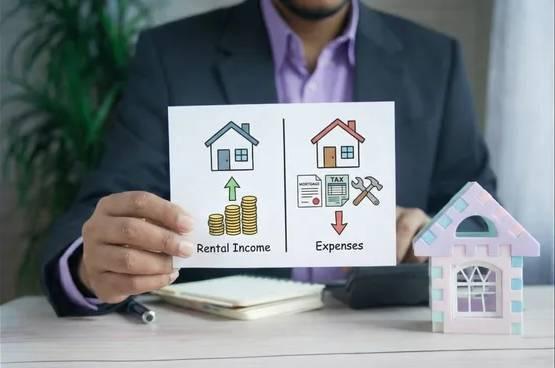
If rent covers your mortgage payment, insurance, taxes, maintenance, and even some additional costs, it means you are in an excellent position.
The goal? Positive cash flow.
Rental price inflation is a direct financial benefit to landlords. While inflation is increasing, so are your expenses. With a fixed-rate mortgage, your mortgage payment stays the same due to the contract terms. This benefit accrues to you over time.
As the population grows, demand for rentals rises. Even with the increasing demand, the housing supply remains limited. This is the basic principle of supply and demand and this can increase your earnings over time.
Relying on one source of income? Risky.
With rental income, you add another stream, increasing your income security.
Many investors view rental properties as a source of retirement income.
Consider the strength of having a fully paid-off property that brings you income during your old age.
Now, let’s talk reality.
Renting out your home does have its disadvantages.
Late payments. Property damage. Noise complaints.
Not every tenant is ideal. And managing conflict takes time and patience.
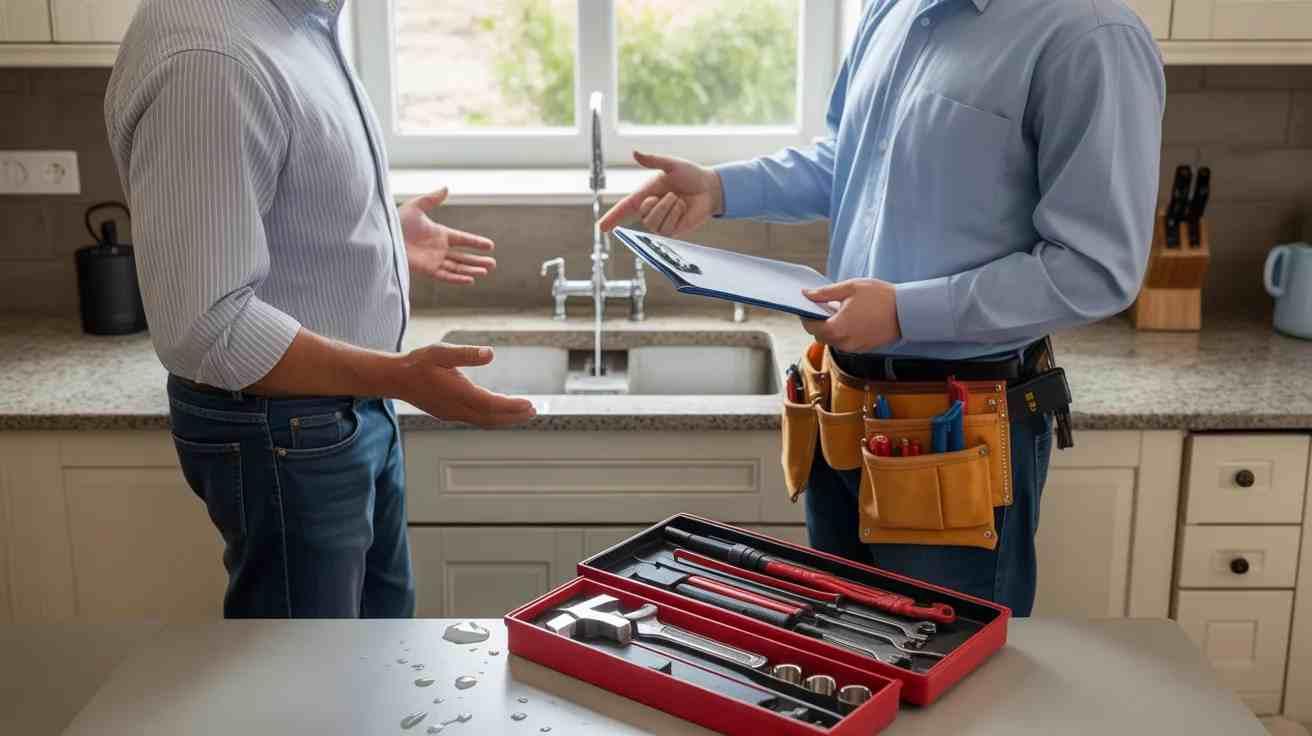
A landlord's repair and maintenance responsibilities are endless.
Pipes could leak. Appliances can fail. Roofs could leak.
What is the position of the property when it is empty?
There are ongoing property-related costs with no means to offset them.
Landlord-tenant laws are strict. Mistakes can be costly.
Evictions? Security deposits? Lease agreements? You must follow the rules.
Renting out your former home can feel strange.
Watching someone else live in “your” space isn’t always easy.
Significant repairs can eliminate several months' worth of profits.
Prioritize budgeting for the unexpected.
Good tenants can still produce normal wear and tear.
Bad tenants? That's a completely different case.
Landlord insurance is a must. Standard homeowner insurance policies usually exclude coverage for rental activities.
Your time is valuable. Although self-managing is less expensive, consider the time and effort required.
Property managers ease the burdens of the job, but take a percentage out of the profits. The standard range is between 8–12% of income.
Chasing rent isn’t fun.
Clear policies and lease terms are crucial.
A good lease should benefit both parties.
Never do handshake agreements.
Discrimination laws are strict. Violations can lead to heavy penalties.
Evictions are time-consuming and emotionally draining.
And they often cost money.
Is the housing market strong? Then selling makes some sense.
Is it weak? Then renting might help you wait it out.
What do you prefer, passive income or a lump sum?
Your answer guides your decision.

Conduct background checks. Confirm employment. Check references.
In the long term, prevention is always less expensive than repair.
Be transparent about rent due dates, maintenance responsibilities, pet policies, and other terms.
The more clarity, the fewer disputes.
3 to 6 months of expenses should always be kept.
Vacancies and repairs are inevitable.
When a location has high demand for a property, the cost of renting is usually high.
If you are going to move for a year or two, renting allows you to keep your property.
If your expenses exceed your rent, you should not rent the property.
Long-term appreciation of the property may not be worth short-term losses.
When your schedule is busy, you may not want to be a landlord.
Find the local rental price for a property. Don’t guess.
If your price is too high, people won’t rent it. If your price is too low, your profits will be too low.
Include:
Only then calculate profit.
The pros and cons of renting your house depend on your goals, financial situation, and risk appetite.
The advantages are strong: you will generate consistent cash flow, the property will appreciate, there are tax benefits, and your wealth will increase.
The negatives are also strong. Maintenance, legal issues and the problems with tenants will be headaches.
Running a rental property is like running a small business. If you do it right, you will grow your wealth. If you do it wrong, you will lose time and money.
Most importantly, do you want to keep your property so badly that you become a landlord, or would you prefer to cash out and move on?
You can make your own decision.
Only if it is worth the work to manage the property and the rent income exceeds the costs.
Tenants can damage the property; there may be a period when no one rents it; there may be legal issues; and repairs may be needed.
If you are not making a profit after accounting for all costs and setting aside funds for repairs you will need to make, you are doing it wrong.
Yes, but it depends on your lender's terms. Some mortgages have occupancy clauses. Read more
Landlords must pay taxes on rental income, but they can claim valuable deductions that offset their tax liability.